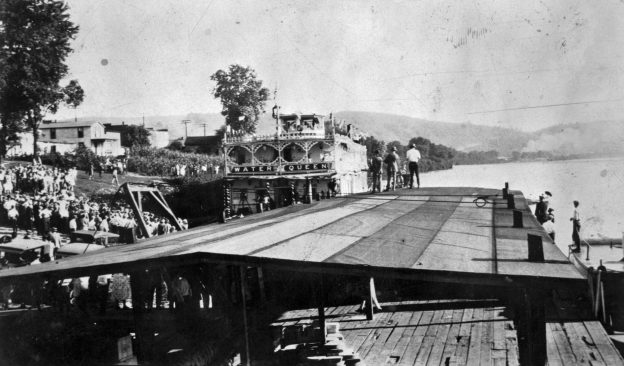
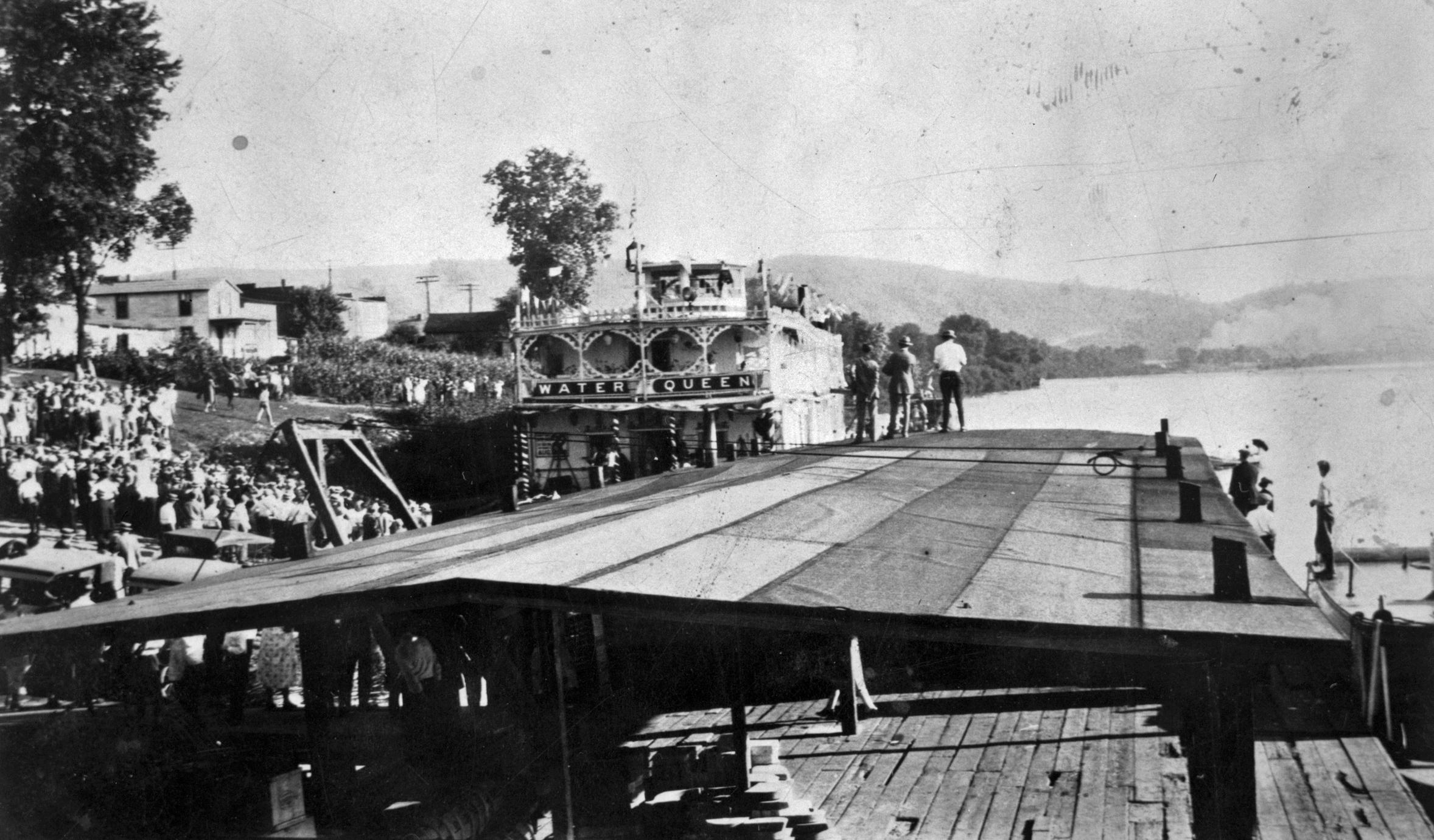
The Queen’s pier is a major part of Isle of Man’s heritage and it’s been closed for over 30 years. The Queen’s Pier was built in 1882 with the intention of being used as a landing stage for ships visiting the island. In 1970, due to a sea level rise, it was determined that the pier need to be demolished. The Isle of Man government subsequently passed a law in 1990 declaring the pier as an unstable structure and closed for public use.
The Queen’s Pier Restoration Trust have been trying to raise the required funds in the renovation of the Isle of Man’ historical landmark. Many restoring and professional roof repair contractors have come forward to help in this restoration project and the trust wants to restore the pier to a place where it can be visited by the ships and also used as a landing stage once again. The pier is of great historical importance to the Isle of Man, as it was built in 1882 it is one of the oldest piers in Europe. Here are some key aspects in the renovating of the Queen’s Pier.
- The Wood Of The Pier
The Queen’s Pier was built with hundreds of wooden piles, to make sure it was safe and to stop it from flooding. It is now more than 100 years old and although a lot of the wood is still in good condition, some pieces have been damaged due to the years of weathering. The contractors that are working on preserving this masterpiece need to find a way so that they can repair the existing pier without tampering with the original structure.
- Construction Material
The contractors are looking at using the recycled wood of the original pier so that they can do it as cheaply as possible. However, if this was to be done, the stability of the pier will be compromised. The contractors have been trying to find a way so that they can repair the wood without it affecting the integrity of the structure.
- Cost Of The Project
The contractors working on this project are looking for a way to make sure that the cost of repairing and restoring the pier is as little as possible. The trust would like to restore the pier back to how it was and make it an attraction for tourists from all over the world. The contractors however need to evaluate different options so that they can repair the structure without compromising its integrity.
- The Right Tools For The Job
The project is going to be large, thus meaning that many tools will be needed in order to restore a pier that has been closed off for over 30 years. The contractors have been tasked with finding different tools that they can use and not ruin or damage any original parts of it.
It is going to be a challenging task for the contractors of this project as the pier was built over 100 years ago. But with their tools, experience and expertise they should be able to restore this historical landmark. The Queen’s Pier is going to be a major attraction for tourists and people visiting the Isle of Man. The pier can also be used as a launching stage for ships visiting the Island.
…